4Human immunodeficiency virus (HIV) infects cells with CD4 and CCR5 cell nolecules. The viral nucleic acid molecules are enclosed in a protei m and the protein capsid is contained inside an envelope consisting of a lipid bilayer membrane and viral glycoproteins. One hypothesis for viral entry into cells is that the ng of HIV membrane glycoproteins to CD4 and CCR5 initiates the fV membrane with the plasma membrane, releasing the viral capsicytoplasm. An alternative hypothesis is that HIV gains entry into the cell via receptor-mediated endocytosis, and membrane fusion occurs in the endocytotic vesicle. To testthese alternative hypotheses for HIV entry, researchers labeled the lipids on the HIV membrane with a red fluorescent dye.
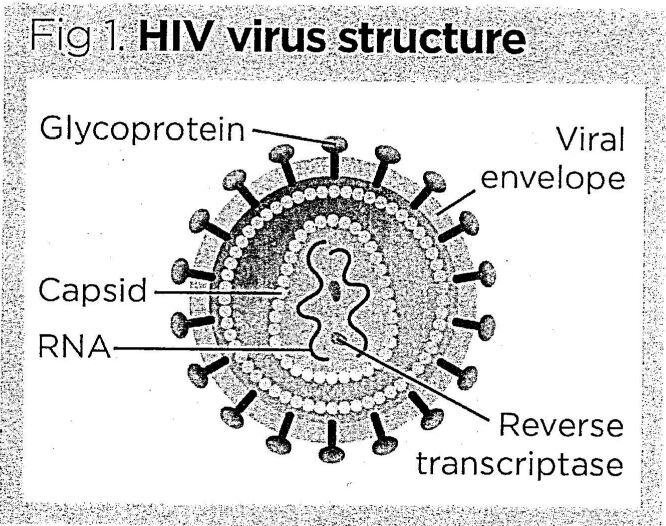 What would be observed by live-cell fluorescence microscopy immediately after HIV entry if HIV enters the cell by endocytosis first and then later fuses with the endocytotic vesicle membrane?(A)The infected cell's plasma membrane will show a spot of red fluorescence, marking the site of membrane fusion and HIV entry.(B)The red fluorescent dye-labeled lipids will appear in the infected cell's interior.(C) A spot of red fluorescence will diffuse in the infected cell's cytoplasm.(D) A spot of red fluorescence will remain outside the cell after delivering the viral capsid.
 阿摩線上測驗
登入
阿摩線上測驗
登入
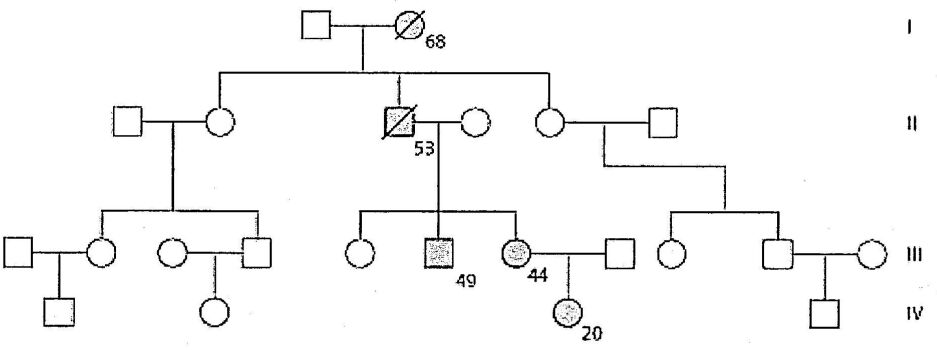
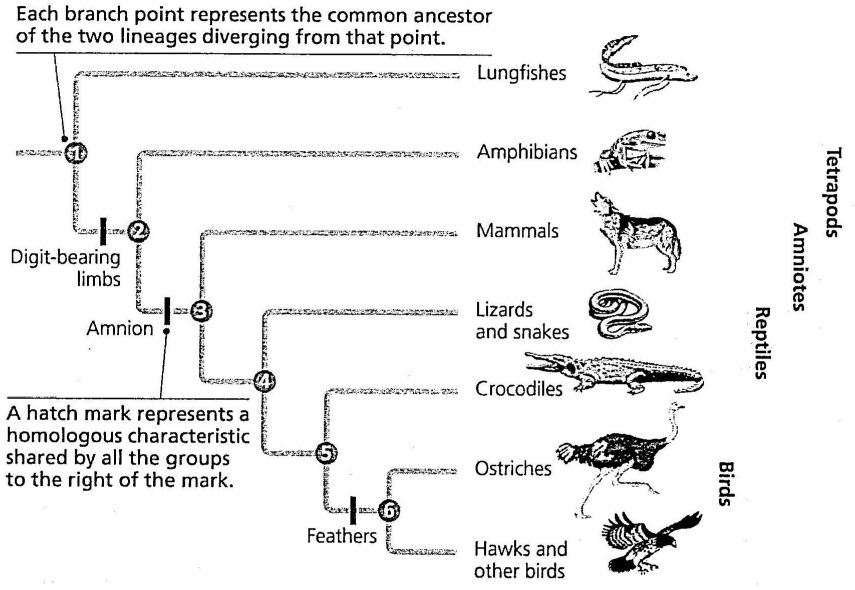
 (A)organism A(B)organism B(C) organism C(D) organism D