阿摩線上測驗
登入
首頁
>
學士後中醫◆英文
>
109年 - 109 慈濟大學_學士後中醫學系招生考試試題:英文#86271
> 試題詳解
30.
(A) objectively
(B) logistically
(C) initially
(D) purposefully
答案:
登入後查看
統計:
A(50), B(12), C(31), D(262), E(0) #2331160
詳解 (共 3 筆)
簡
B2 · 2021/07/03
#4861567
objectively 是客觀地
11
0
蝦皮筆記必買
B1 · 2020/06/10
#4053526
(A) objectively 主觀地(...
(共 286 字,隱藏中)
前往觀看
1
3
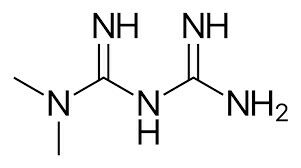
Metformin
B3 · 2024/04/18
#6070959
subjective 主觀的
objective 客觀的
1
0

其他試題
26. (A) fuss (B) trigger (C) strain (D) cling
#2331156
27. (A) turn them on (B) tune them out (C) wipe them out (D) tag them out
#2331157
28. (A) drama (B) squat (C) muse (D) veto
#2331158
29. (A) who (B) by whom (C) with whom (D) whom
#2331159
31. What is the main idea of the passage? (A) The impact of children’s death (B) The perspectives of palliative care (C) The mission of music therapists (D) The functions of music-therapy techniques
#2331161
32. What is NOT mentioned in this passage? (A) Music therapists have to understand patient families’ social and cultural backgrounds. (B) People in many areas in China consider death in the house as an ominous sign. (C) Music therapists need to find solace and optimism in their work. (D) Children on the brink of death need more medical treatments.
#2331162
33. Which of the following is closest in meaning to the word taxing in the last paragraph? (A) empowering (B) laboring (C) balancing (D) collapsing
#2331163
34. What does them refer to in the last paragraph? (A) patients’ passing processes (B) reminisce on positive things (C) patients who passed away (D) palliative care staff members
#2331164
35. Which of the following question does the passage mainly answer? (A) How did tulips become popular in North America? (B) Why did Dutch settlers import tulips to the United States in the 19th century? (C) What is the difference between an Old World and a New World plant? (D) Where were the first Dutch colonies in North American located?
#2331165
36. Which of the following is closest in meaning to the word integral in the first paragraph? (A) terrestrial (B) fundamental (C) ornamental (D) incidental
#2331166