阿摩線上測驗
72.Fluoroquinolones藥物第七碳位置上的piperazine環,其作用在於增加:
(A)血中脂溶性
(B)尿中水溶性
(C)抗革蘭氏陽性菌活性
(D)抗革蘭氏陰性菌活性
統計: A(341), B(82), C(278), D(865), E(0) #853835
詳解 (共 3 筆)


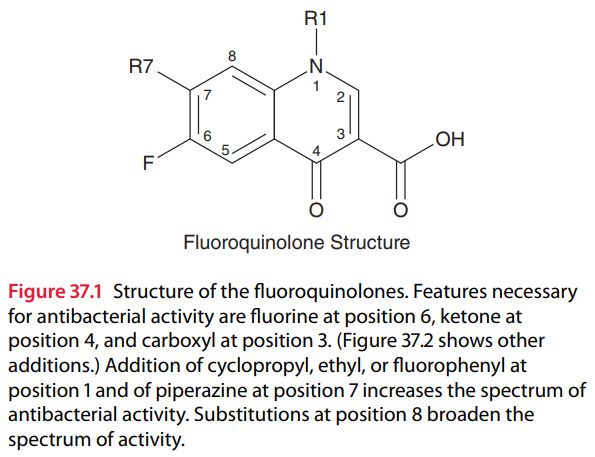
Figure 37.1 shows the basic quinolone structure.
The carboxyl group at position 3 and the ketone at position 4 are necessary for the antibacterial activity.
The fluorine at position 6 differentiates the quinolones from the fluoroquinolones and accounts for the improved gram-negative and gram-positive activity over the nonfluorinated quinolones, increased potency, and increased entry into bacteria.
At position 1, addition of a cyclopropyl (as for enrofloxacin and ciprofloxacin), an ethyl or a fluorophenyl improve the spectrum of activity against gram-positive and gram-negative bacteria.
Addition of a piperazine at position 7, as demonstrated for ciprofloxacin, marbofloxacin, and enrofloxacin, improves the spectrum of activity to include pseudomonads, among other gram-negative bacteria.
The change from a nitrogen (nalidixic acid) to a carbon at position 8 decreased some of the adverse central nervous system effects and increased act increased activity against staphylococci.
Reference: Veterinary Pharmacology and Therapeutics, 10th Edition, page 954.