阿摩線上測驗
登入
首頁
>
研究所、轉學考(插大)◆調性音樂分析
>
109年 - 109東吳大學_碩士班招生考試_音樂學系:調性音樂分析#100345
> 申論題
題組內容
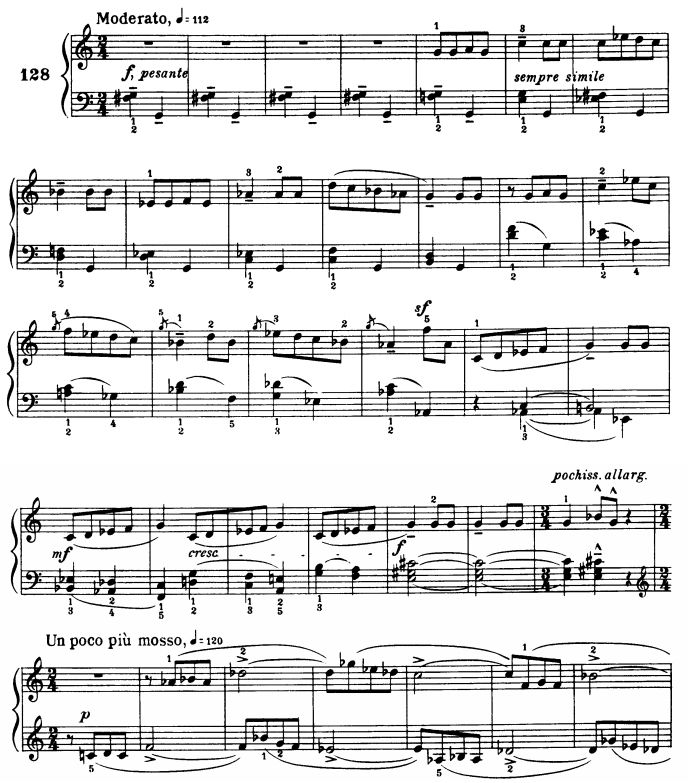
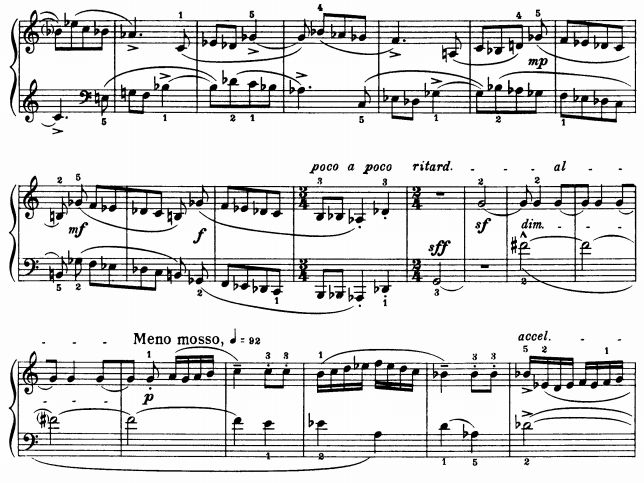
三、做為音樂演奏者,你注意到此曲哪些音樂成分、事件或是現象(如:動機/音形/音程 /節奏/音階形式…),讓你在演奏這首作品時,會特別留意關心這些地方的處理與詮釋? 請寫出五點。
Answer:
(3).________________________________________________________________________ ___________________________________________________________________________
相關申論題
一、 請說明下列樂曲片段是以何種手法發展,以達到變化與統一的呈現?Answer: _______________________________________________________________________________________ _______________________________________________________________________________________ _______________________________________________________________________________________
#419948
(1) Answer: ________________________________________________________________________________________ ________________________________________________________________________________________
#419949
(2) Answer: ________________________________________________________________________________________ ________________________________________________________________________________________
#419950
(1)._________________________________________________________________________ __________________________________________________________________________
#419951
(2)._________________________________________________________________________ ____________________________________________________________________________
#419952
(4)._________________________________________________________________________ ___________________________________________________________________________
#419954
(5)._________________________________________________________________________ ___________________________________________________________________________
#419955
四、下列樂譜為 1909 年拉威爾《以海頓命名的小步舞曲》 ,這裡的和弦仍可以三度曡置方式觀察。倘若以 G 大調角度來看,請分析下列方框處二個片段之和聲進行:
#419956
五、請分析下列樂曲之片段,將其調名填在方框中,和聲進行之羅馬數字符號填寫於橫線上,和聲外音亦盡可能須於譜上標示。
#419957
4. 試論述附譜之作品,從第 1 至 36 小節第二拍之片段,其片段內部結構,如樂句內 部、樂句或段落不同單元之間的關連,在音樂陳述過程中是如何構成核心樂 思,並由此觀察音樂的開展手法,請加以說明。
#427072
相關試卷
110年 - 110東吳大學_碩士班招生考試_音樂學系︰調性音樂分析#99986
110年 · #99986
109年 - 109東吳大學_碩士班招生考試_音樂學系:調性音樂分析#100345
109年 · #100345
108年 - 108東吳大學_碩士班招生考試_音樂學系︰調性音樂分析#100899
108年 · #100899
107年 - 107東吳大學_碩士班招生考試_音樂學系︰調性音樂分析#101736
107年 · #101736
 Answer:
Answer:
Answer: 阿摩線上測驗
登入
Answer:
阿摩線上測驗
登入
Answer: