 阿摩線上測驗
題組內容
2.  : fill in a functional word like a conjunction or a preposition. One square for one word. A sense of ritual ___(1)___ both the text and Caitríona McLaughlin’s elegantly composed and ___(2)___ production. Framed by the glass, Rea’s image is refracted and superimposed on Roddy’s, so we can see both of their ___(3)___ reactions in a single camera shot.
  tuxedo and ___(5)___ evening shirt – over pajamas – and
  shoulder-length curly hair, Rea has the ___(7)___ of a Stuart monarch in old age. In the background is the Gate’s empty auditorium, chandeliers gleaming in Paul Keogan’s lighting, ___(8)___ theatrical memories. A singer or entertainer
  his youth – or was he? – the father’s interaction with his daughter becomes a performance
  both know their lines, as she feeds him cues for verbal___(11)___ and familiar routines. Singing is central to the content of their conversation, too, as he ___(12)___ on his imagined past as a Eurovision contestant, testing her patience, and sometimes ours.
 there is a studied ___(14)___to the text’s wordplay and duet structure, the two beautifully nuanced performances convey depths of feeling.
  the camera moving into closeup, Rea is___(16)___ as his eyes register minute flickers of recollection and fleeting thoughts. Initially ___(17)___ herself to maintain ironic distance, the daughter’s composure cracks from time to time under the ___(18)___ of paying attention to his mood ___(19)___: from childlike playfulness
 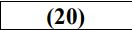 bitter rage against her for passing “a death sentence”
 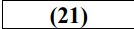 him.
him.
Concentrating on tone and image  a dramatic twist or a resolution, this sensitive portrait of a condition and a relationship has the ___(23)___ of emotional truth.
1.
詳解 (共 1 筆)
A sense of ritual pervades both the text and Caitríona McLaughlin’s elegantly composed and polished production. Framed by the glass, Rea’s image is refracted and superimposed on Roddy’s, so we can see both of their facial reactions in a single camera shot. In tuxedo and ruffled evening shirt – over pyjamas – and with shoulder-length curly hair, Rea has the air of a Stuart monarch in old age. In the background is the Gate’s empty auditorium, chandeliers gleaming in Paul Keogan’s lighting, evoking theatrical memories.
A singer or entertainer in his youth – or was he? – the father’s interaction with his daughter becomes a performance in which both know their lines, as she feeds him cues for verbal riffs and familiar routines. Singing is central to the content of their conversation, too, as he ruminates on his imagined past as a Eurovision contestant, testing her patience, and sometimes ours.
While there is a studied quality to the text’s wordplay and duet structure, the two beautifully nuanced performances convey depths of feeling. With the camera moving into closeup, Rea is riveting as his eyes register minute flickers of recollection and fleeting thoughts. Initially steeling herself to maintain ironic distance, the daughter’s composure cracks from time to time under the strain of paying attention to his mood shifts: from childlike playfulness to bitter rage against her for passing “a death sentence” on him.
Concentrating on tone and image rather than a dramatic twist or a resolution, this sensitive portrait of a condition and a relationship has the tug of emotional truth.