阿摩線上測驗
登入
首頁
>
學士後西醫-有機化學
> 103年 - 103 學士後西醫:有機化學#27037
103年 - 103 學士後西醫:有機化學#27037
科目:
學士後西醫-有機化學 |
年份:
103年 |
選擇題數:
80 |
申論題數:
0
試卷資訊
所屬科目:
學士後西醫-有機化學
選擇題 (80)
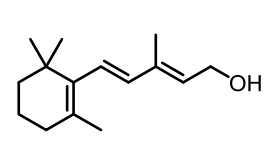
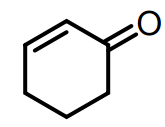
1. Which of the following compounds is the most hydrophilic one? (A)
(B)
(C)
(D)
(E)
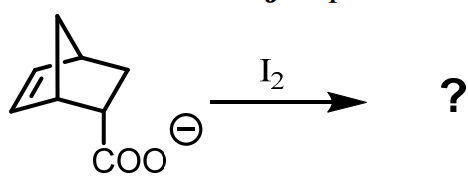
2. Which is the major product of the following reaction?
(A)
(B)
(C)
(D)
(E)
3. What is the major product in the following reaction sequence?
(A)
(B)
(C)
(D)
(E)
4. Which of the following carboxylic acids would undergo decarboxylation readily when heated?
(A) I (B) II (C) III (D) IV (E) II and III
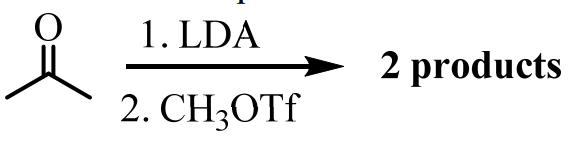
5. Two products can be obtained from the reaction below. One of the product is 2-Butanone. What is the most likely structure for the second product from the reaction?
(A)
(B)
(C)
(D)
(E)
6. The aldol cyclization, followed by dehydration of 5-oxo-hexanal will give which product below. (A)
(B)
(C)
(D)
(E)
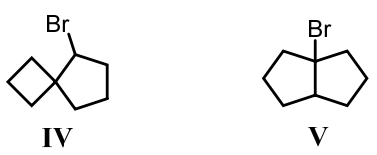
7. Predict the major structure of the expected product for the following reaction.
(A) I (B) II (C) III (D) IV (E) V
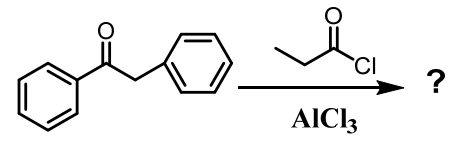
8. What is the major product of the following reaction?
(A) I (B) II (C) III (D) IV (E) V
9. Which of the following reaction sequences would convert 2-butanol into 2-deuterobutane? (A) 1. H
2
SO
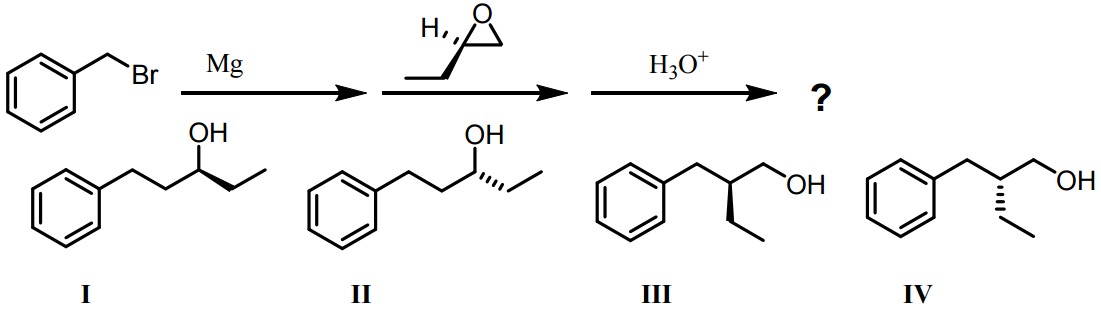
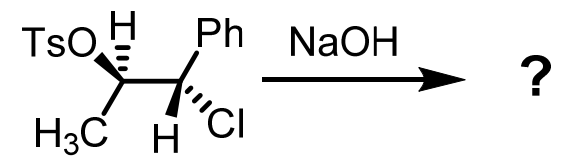
4
, heat 2. BD
3
in THF, then H
2
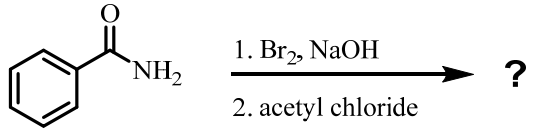
O
2
, NaOH (B) 1. H
2
SO
4
, heat 2. D
2
, Pd/C (C) 1. PBr
3
2. Mg/ether, then D
2
O (D) 1. PBr
3
2. NaOD, then D
2
O (E) 1. PBr
3
2. NaD in hexane
10. Which of the following factors has NO effect on the rate of SN1 reactions? (A) the nature of the alkyl halide (B) the nature of the leaving group (C) the concentration of the alkyl halide (D) the concentration of the nucleophile (E) the value of the rate constant
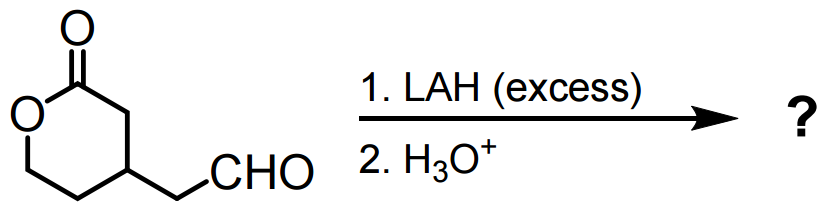
11. What is the expected major product of the following reaction sequence?
(A) I (B) II (C) III (D) IV (E) V
12. What is the expected major product of the following reaction sequence?
(A) I (B) II (C) III (D) IV (E) V
13. Which one of the following compounds is NOT a product of reaction between 1,3-butadiene and HBr? (A) S-3-bromo-1-butene (B) R-3-bromo-1-butene (C) E-1-bromo-2-butene (D) Z-1-bromo-2-butene (E) Z-2-bromo-2-butene
14. Predict the major product for the following reaction.
(A) I (B) II (C) III (D) IV (E) V
15. Which one of the following compounds would undergo racemization at the α-stereocenter in presence of a base?
(A) I (B) II (C) III (D) IV (E) None of the above
16. Predict the major product for the following reaction.
(A) I (B) II (C) III (D) IV (E) V
17. Predict the major product for the following reaction.
(A) I (B) II (C) III (D) IV (E) V
18. Compound A on ozonolysis yields 2,6-heptanedione. What is the structure of compound A?
(A) 1,2-dimethylcyclohexene (B) 2,6-dimethylcyclohexene (C) 1,5-dimethylcyclopentene (D) 1,2-dimethylcyclopentene (E) 2-methyl-1-cyclopentene
19. Predict the major product for the following reaction sequence.
(A) 6,7-dimethyl-3-nonanol (B) 6,7-dimethyl-3-nonanone (C) 6,7-dimethyl-3-nonanal (D) 3,4-dimethyl-7-nonanol (E) 3,4-dimethyl-7-nonanone
20. What is the major product for the reaction sequence below.
(A)
(B)
(C)
(D)
(E)
21. Provide the structure of the major organic product in the reaction below.
(A) I (B) II (C) III (D) IV (E) V
22. Which reaction condition could NOT give the indicated product in the following scheme?
(A) POCl
3
, pyridine (B) KMnO
4
, H
3
O
+
(C) CH
3
CH
2
OH, H
+
(D) Na
+ -
OEt, then CH
3
MgBr (E) H
3
O
+
, heat
23. What is the IUPAC name for the following compound?
(A) (R)-2-bromo-2-methylcyclobutanone (B) (S)-2-bromo-2-methylcyclobutanone (C) (R)-2-methyl-2-bromocyclobutanone (D) (S)-1-bromo-1-methyl-2-cyclobutanone (E) (R)-1-bromo-1-methyl-2-cyclobutanone
24. The exo-product is the minor product during the 4+2 reaction. Which is the exo-product?
(A)
(B)
(C)
(D)
(E)
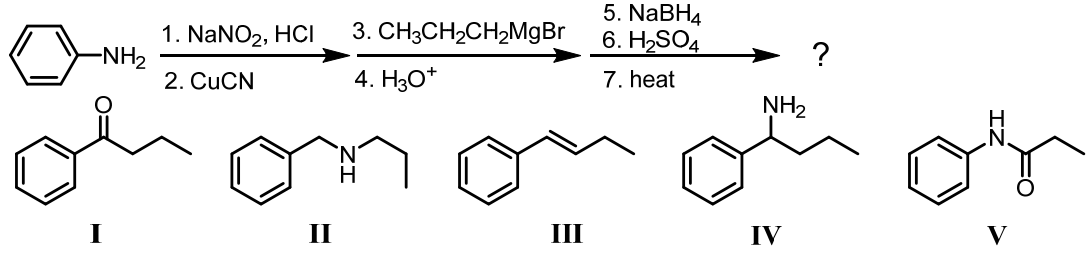
25. Predict the major product for the following reaction sequence.
(A) I (B) II (C) III (D) IV (E) V
26. Which of these alkyl halides cannot be used to prepare amines using Gabriel synthesis? (A) 1-bromopentane (B) 1-bromo-3-methylbutane (C) 2-bromo-3-methylpentane (D) 1-bromo-2,3-dimethylbutane (E) 2-bromo-2,3-dimethylbutane
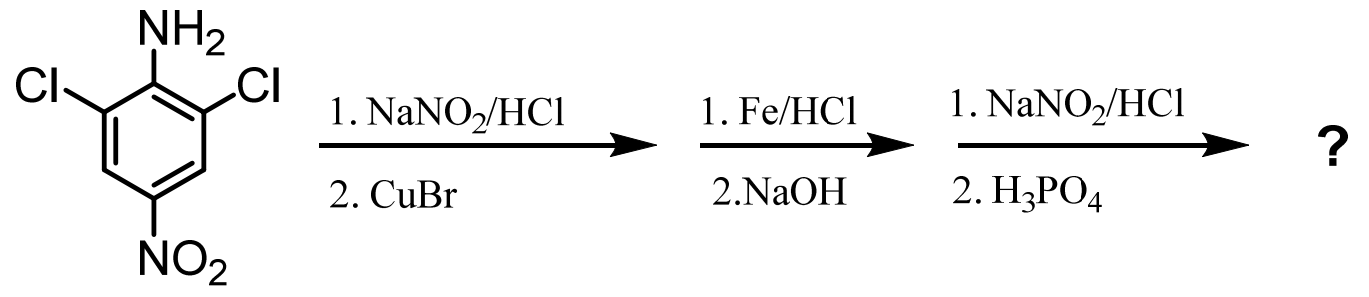
27. Predict the major product for the following reaction sequence.
(A)
(B)
(C)
(D)
(E)
28. Identify which of the structures below are meso structures
(A) I (B) I and III (C) I, III and V (D) I, III and IV (E) II and V
29. Which of the following statements regarding these three compounds is incorrect?
(A) I can be converted to III using methanol and catalytic amounts of H
2
SO
4
. (B) I can be converted to II using acetic acid and catalytic amounts of H
2
SO
4
. (C) II can be produced from I by reaction with acetic anhydride. (D) II and I both will react with sodium bicarbonate to evolve carbon dioxide. (E) II and III are both esters.
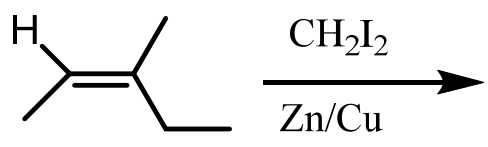
30. The acetoacetic ester synthesis, shown below, can be used to prepare 5-methyl-2-hexanone. Which one of the following alkyl bromides would be used in the synthesis?
(A) (CH
3
)
2
CHBr (B) (CH
3
)
2
CHCH
2
Br (C) (CH
3
)
2
CHCH
2
CH
2
Br (D) CH
3
CH
2
CHBrCH
3
(E) (CH
3
)
2
CBrCH
3
31. Choose the major product of the following reaction.
(A)
(B)
(C)
(D)
(E)
32. Rank the following molecules in order of increasing relative rate of SN1 solvolysis with methanol and heat (slowest to fastest reacting).
(A) III<II<IV<I<V (B) II<III<IV<I<V (C) I<IV<III<II<V
(D) II<III<IV<V<I (E) I<II<V<IV<III
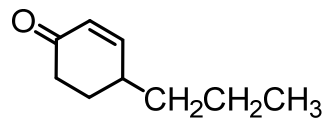
33. Which of the following compounds will react with methyl vinyl ketone in a Robinson annulation to generate the cyclic enone below?
(A) 1-pentene (B) cyclohexanone (C) 2-pentanone (D) pentanal (E) None of the above
34. Provide the structure of the major organic product in the reaction below.
(A)
(B)
(C)
(D)
(E)
35. The product of the following reaction immediately undergoes a dimerization at room temperature. What is the structure of the dimer?
(A)
(B)
(C)
(D)
(E)
36. For the following multistep synthesis, choose the best reaction conditions to give the desired product?
(A) (i) HBr, (ii) O
3
followed by Zn/H
+
, (iii) Li/NH
3
(B) (i) NaNH
2
/NH
3
followed by CH
3
CH
2
I, (ii) Lindlar’s catalyst/H
2
, (iii) OsO
4
followed by NaHSO
3
(C) (i) H
2
/Pd/C (1 equivalent), (ii) NaNH
2
/NH
3
followed by CH
3
CH
2
Br, (iii) KMnO
4
/H
2
O (D) (i) HgSO
4
/H
2
O/H
2
SO
4
, (ii) Lindlar’s catalyst/H
2
, (iii) OsO
4
followed by NaHSO
3
(E) (i) Lindlar’s catalyst/ H
2
, (ii) NaNH
2
/NH
3
followed by CH
3
CH
2
Br, (iii) OsO
4
followed by NaHSO
3
37. Which sequence of steps below describes the best synthesis of 5-oxohexanoic acid starting with 1-methylcyclopentan-1-ol? (A) 1. Conc. KMnO
4
; 2. Dry gaseous HBr; 3. Mg/ether; 4. CO
2
(B) 1. H
2
SO
4
and heat; 2. Conc. KMnO
4
(C) 1. Conc. KMnO
4
; 2. CH
3
MgBr/ ether; 3. H
3
O
+
(D) 1. H
2
SO
4
and heat; 2. O
3
; 3. (CH
3
)
2
S; 4. PCC (E) 1. H
2
SO
4
and heat; 2. Conc. KMnO
4
; 3. LiAlH
4
;
4
. H
3
O
+
38. Which of the following amines could be formed by reduction of an amide? (I) benzylamine (II) isopropylamine (III) aniline (IV) triethylamine (A) I (B) III & IV (C) I & IV (D) II & III (E) I, III & IV
39. What is the major product of the following reaction?
(A) I (B) II (C) III (D) IV (E) V
40. Predict the major product of the following reaction sequence.
(A) I (B) II (C) III (D) IV (E) V
41. Predict the major product of the following dehydration reaction.
(A) I (B) II (C) III (D) IV (E) V
42. Which of the following oxidants will convert a primary alcohol to an aldehyde? (I) sodium dichromate /sulfuric acid (II) copper oxide (III) pyridinium chlorochromate (IV) dimethylsulfoxide, oxalyl chloride (A) III & IV (B) II, III & IV (C) III (D) I, II, III & IV (E) None of the above
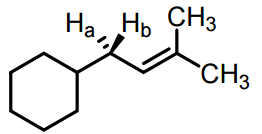
43. Protons H
a
and H
b
in the following compound are?
CH3 Ha Hb CH3 (A) homotopic (B) enantiotopic (C) diastereotopic (D) mesotopic (E) None of the above
44. Which of the following compounds will not display a carbonyl carbon signal in the DEPT-90 and DEPT-135
13
C NMR spectroscopy?
(A) only I (B) only II (C) only III (D) I and II (E) II and III
45. Give the major organic product for the reaction.
(A) I (B) II (C) III (D) IV (E) V
46. Predict the major product for the following reaction sequence.
(A) I (B) II (C) III (D) IV (E) V
47. Please choose the compound(s) that would undergo racemization in presence of a base?
(A) I (B) II (C) III (D) IV (E) II & III
48. Predict the major product for the following reaction.
(A) I (B) II (C) III (D) IV (E) V
49. What is the major organic product of the following reaction?
(A) 4-ethyl-2,3-dimethylpyridine (B) 5-ethyl-2,3-dimethylpyridine (C) 6-ethyl-2,3-dimethylpyridine (D) 2-methyl-3-propylpyridine (E) 3-methyl-2-propylpyridine
50. Draw a Fischer projection of the product when (R)-2-bromobutane is treated with the following sequence of reagents: 1. CN
-
, 2. H
3
O
+
and 3. CH
2
N
2
.
(A) I (B) II (C) III (D) IV (E) V
51. Which of the reagents listed below would work best in the following reaction?
(A) NaBH
4
(B) LiAlH
4
(C) BH
3
-THF (D) LiAl[(OC(CH
3
)
3
]
3
H (E) None of the above
52. Which reactions on the right below will provide the diol on the left as the major product?
(A) I (B) III (C) IV (D) I and IV (E) II and III
53. Provide a structure for the expected product of the following reaction.
(A) I (B) II (C) III (D) IV (E) None of the above
54. The
1
H NMR spectrum of a compound with formula C
7
H
14
O shows two signals. Which one of the followings is a possible structure for this compound? (A) 2-heptanone (B) 2-methyl-3-heptanone (C) 3-methyl-2-heptanone (D) 2,2-dimethyl-3-pentanone (E) 2,4-dimethyl-3-pentanone
55. What is the order of decreasing reactivity towards nucleophilic acyl substitution for the carboxylic acid derivatives below
(A) I> II> III> IV (B) I> III> IV> II (C) II> IV> III> I (D) II> I> III> IV (E) III> IV> I> II
56. Which will be the major product of the following E2 reaction?
(A)
(B)
(C)
(D)
(E)
57. Predict the product for the following reaction sequence.
(A) 2,4-heptanediol (B) 1,4-heptanediol (C) 2,5-octanediol (D) 1,4-octanediol (E) 1,5-octanediol
58. Which of the following compounds will display a singlet, a triplet and a quartet in the
1
H NMR spectrum? (A) 2-chloro-4-methylpentane (B) 3-chloro-2-methylpentane (C) 3-chloropentane (D) 1-chloro-2,2-dimethylbutane (E) 3-chloro-3-methylpentane
複選題
59. Provide the reactants necessary to prepare the following alkene using the Wittig reaction.
(A) ethanal and 2-bromopentane (B) propanal and 2-bromopentane (C) 2-pentanone and 1-bromopropane (D) 2-pentanone and 2-bromopropane (E) butanal and 2-bromopentane
60. What is the expected major product of the following reaction sequence?
(A) I (B) II (C) III (D) IV (E) V
61. Predict the major product of the following reaction sequence.
(A)
(B)
(C)
(D)
(E)
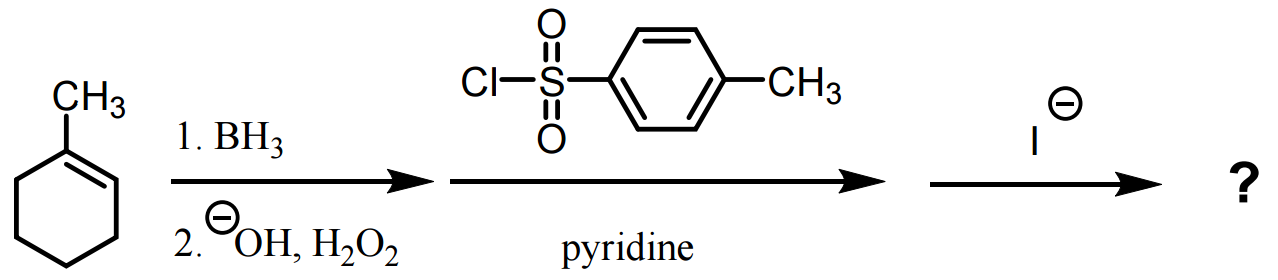
62. Choose the major product of the following reaction sequence.
(A)
(B)
(C)
(D)
(E)
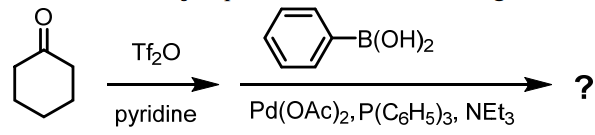
63. Predict the product of the following reaction.
(A) I (B) II (C) III (D) IV (E) V
64. Predict the major product of the following reaction sequence.
(A)
(B)
(C)
(D)
(E)
65. What is the relative reactivity of 2° vs 1° hydrogens in the free radical bromination of n-butane if the ratio of 1-bromobutane to 2-bromobutane formed is 7:93? (A) The 2° hydrogens are 20 times more reactive than the 1° ones. (B) The 2° hydrogens are 40 times more reactive than the 1° ones. (C) The 2° hydrogens are 60 times more reactive than the 1° ones. (D) The 2° hydrogens are 80 times more reactive than the 1° ones. (E) The 2° hydrogens are 100 times more reactive than the 1° ones.
66. Which sequence of reagents works best to convert 1-methyl-1-vinylcyclohexane to E-1-methyl-1-(prop-1-en-1-yl)cyclohexane? ?
(A) 1. NaOCH
3
, CH
3
OH 2. NaNH
2
3. Br
2
4. H
2
(excess), Pd/C (B) 1. Br
2
2. NaNH
2
3. NaNH
2
, then CH
3
Br 4. Na, NH
3
(C) 1. BH
3
*THF 2. Br
2
3. NaCN
4
. Na, NH
3
(D) 1. NaCN 2. HO- , H
2
O
2
3. NaNH
2
, then CH
3
Br 4. Na, NH
3
(E) 1. BH
3
*THF 2. Br
2
3. NaNH
2
, then CH
3
Br 4. H
2
(excess), Pd/C
67. How many of these reagents cause only syn additions to alkenes? HBr H
2
, Pd BH
3
H
2
O
2
CH
3
CO
3
H Br
2
Hg(OAc)
2
(A) 1 (B) 2 (C) 3 (D) 4 (E) 5
68. The HOMO of (2E,4Z,6E)-octatriene undergo thermal cyclization using which process and which product? (HOMO orbital of pi-electrons of octatriene is given below, not showing the stereochemistry)
(A) disrotatory and cis-product (B) conrotatory and cis-product (C) disrotatory and trans-product (D) conrotatory and trans-product (E) both disrotatory and conrotatory to give trans and cis product respectively
複選題
69. Assuming kinetic conditions, provide a structure for the major product of the reaction below. Include correct stereochemistry. ?
(A) I (B) II (C) III (D) IV (E) V
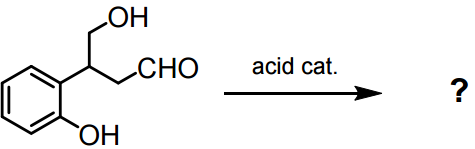
70. Predict the major product of the following reaction. OH CHO OH acid cat. ?
(A)
(B)
(C)
(D)
(E)
71. Identify the monomer(s) which are used to prepare the following segment of polymer: - CH
2
CH=CHCH
2
CH(C
6
H
5
)CH
2
CH
2
CH=CHCH
2
CH(C
6
H
5
)CH
2
- (A) CH
2
=CH
2
and CH
2
=CHC
6
H
5
(B) CH
2
=CHCH=CH
2
and CH
2
=CHC
6
H
5
(C) CH
2
=C(C
6
H
5
)CH=CH
2
(D) C
6
H
5
CH=CHCH=CH
2
(E) CH
2
=C=CH
2
and CH
2
=CHC
6
H
5
72. What is the major product for the following reaction
(A)
(B)
(C)
(D)
(E)
73. Which is the best procedure for the preparation of 2,4-dinitrobenzoic acid from benzene? (A) 1. HNO
3
/H
2
SO
4
2. CH
3
Br/AlCl3 3. HNO
3
/H
2
SO
4
4. KMnO
4
/H
+
(B) 1. CH
3
Br/AlCl
3
2. HNO
3
/H
2
SO
4
3. KMnO
4
/H
+
4. HNO
3
/H
2
SO
4
(C) 1. CH
3
Br/AlCl
3
2. KMnO
4
/H
+
3. HNO
3
/H
2
SO
4
(excess) (D) 1. HNO
3
/H
2
SO
4
2. CH
3
Br/AlCl
3
3. KMnO
4
/H
+
4. HNO
3
/H
2
SO
4
(E) 1. CH
3
Br/AlCl
3
2. HNO
3
/H
2
SO
4
(excess) 3. KMnO
4
/H
+
74. Predict the major product for the following reaction.
(A) I (B) II (C) III (D) IV (E) II & IV
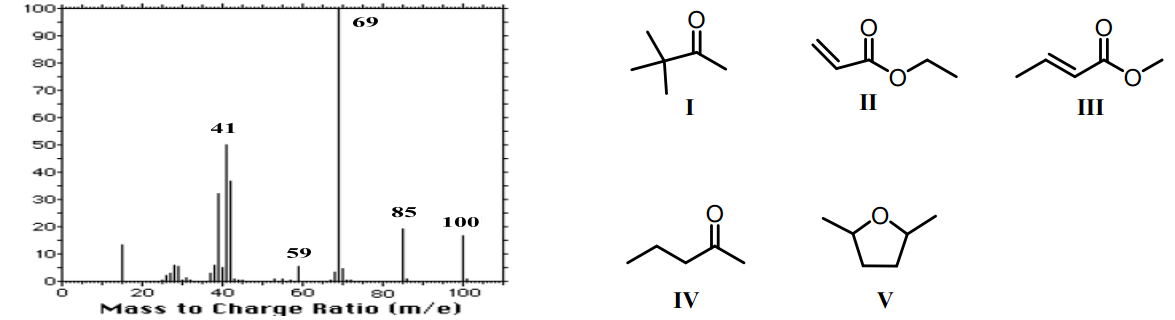
75. Which of the following molecules below best fits the fragmentation pattern of the mass spectrum below.
(A) I (B) II (C) III (D) IV (E) V
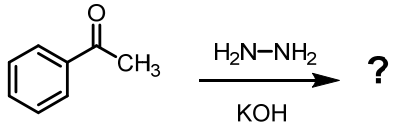
76. Choose the structure that is NOT an intermediate or product in the Wolff-Kischner reduction of acetophenone.
(A)
(B)
(C)
(D)
(E)
77. Choose the best alkyne reactant to complete the following reaction sequence.
(A)
(B)
(C)
(D)
(E)
78. Extraction of a mixture of toluene, phenol and phenylacetic acid under various conditions can be used to separate them. What are the correct compound X, Y and Z from the separation scheme.
(A) (X)-toluene; (Y)-phenylacetic acid; (Z)-phenol (B) (X)-toluene; (Y)-phenol; (Z)-phenylacetic acid (C) (X)-phenylacetic acid; (Y)-toluene; (Z)-phenol (D) (X)-phenol; (Y)-toluene; (Z)-phenylacetic acid (E) (X)-phenylacetic acid; (Y)-phenol; (Z)-toluene
79. Which of the following series of synthetic steps could be used to carry out the transformation shown below?
(A) IV → II → I → III → V (B) V → IV → III → II →I (C) IV → III → I → II → V (D) III → II → VI → V → I (E) None of the above
80. The scheme describes the catalytic hydrogenation pathway of 1-butene to butane. Which of the following statements below correctly shows the steps?
(A) (X)-oxidative addition, (Y)-reductive elimination, (Z)- ligand association (B) (X)-ligand association, (Y)-reductive elimination, (Z)-oxidative addition (C) (X)-reductive elimination, (Y)- oxidative addition, (Z)-ligand association (D) (X)-reductive elimination, (Y)-ligand association, (Z)-oxidative addition (E) (X)- ligand association, (Y)- oxidative addition, (Z)-reductive elimination
申論題 (0)
相關試卷
105年 - 105 學士後西醫:有機化學#78642
105年 · #78642
104年 - 104 學士後西醫:有機化學#27032
104年 · #27032
102年 - 102 學士後西醫:有機化學#27324
102年 · #27324
101年 - 101 學士後西醫:有機化學#27197
101年 · #27197
100年 - 100 學士後西醫:有機化學#35480
100年 · #35480
98年 - 098 學士後西醫:有機化學#37156
98年 · #37156
96年 - 96學士後西醫-有機化學 #37201
96年 · #37201
 阿摩線上測驗
登入
阿摩線上測驗
登入
 (B)
(B) 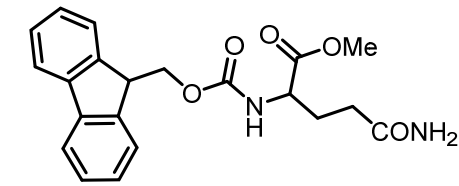 (C)
(C)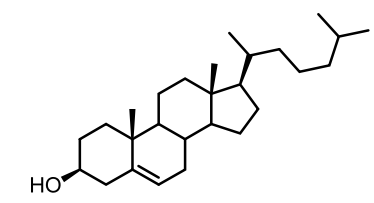 (D)
(D)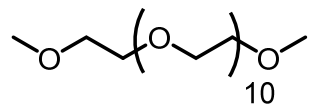 (E)
(E)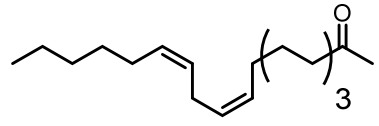
 (A)
(A) 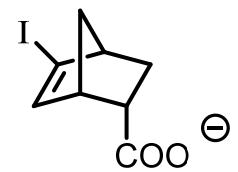 (B)
(B) 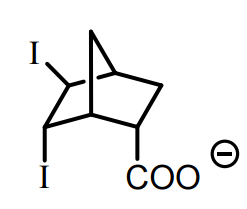 (C)
(C) 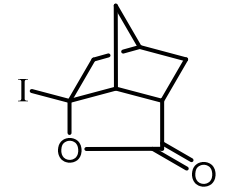 (D)
(D) 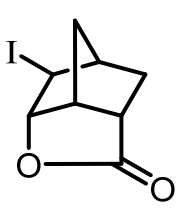 (E)
(E)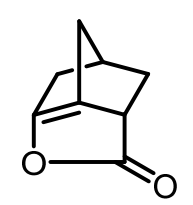
 (A)
(A)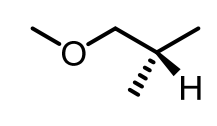 (B)
(B)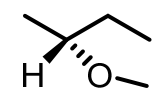 (C)
(C)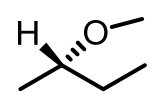 (D)
(D)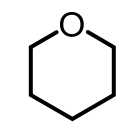 (E)
(E)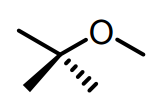
 (A) I (B) II (C) III (D) IV (E) II and III
 (A)
(A)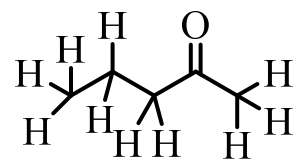 (B)
(B) 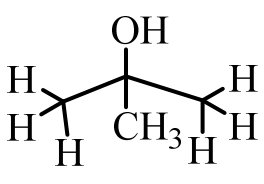 (C)
(C) 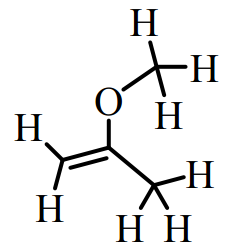 (D)
(D) 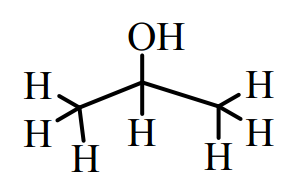 (E)
(E)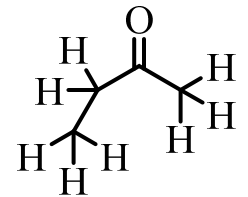
 (B)
(B) 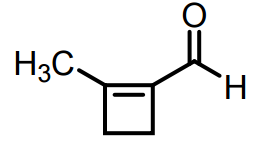 (C)
(C) 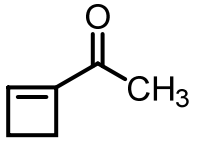 (D)
(D)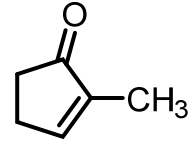 (E)
(E) 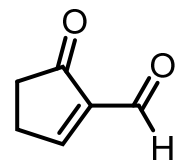
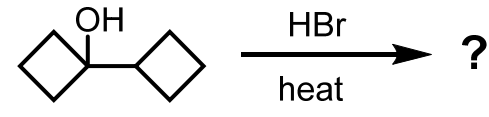

 (A) I (B) II (C) III (D) IV (E) V
 (A) I (B) II (C) III (D) IV (E) V
 (A) I (B) II (C) III (D) IV (E) V
 (A) I (B) II (C) III (D) IV (E) V
 (A) I (B) II (C) III (D) IV (E) V
 (A) I (B) II (C) III (D) IV (E) None of the above

 (A) I (B) II (C) III (D) IV (E) V

 (A) I (B) II (C) III (D) IV (E) V
 (A) 1,2-dimethylcyclohexene (B) 2,6-dimethylcyclohexene (C) 1,5-dimethylcyclopentene
(D) 1,2-dimethylcyclopentene (E) 2-methyl-1-cyclopentene
(A) 1,2-dimethylcyclohexene (B) 2,6-dimethylcyclohexene (C) 1,5-dimethylcyclopentene
(D) 1,2-dimethylcyclopentene (E) 2-methyl-1-cyclopentene
 (A) 6,7-dimethyl-3-nonanol (B) 6,7-dimethyl-3-nonanone (C) 6,7-dimethyl-3-nonanal
(D) 3,4-dimethyl-7-nonanol (E) 3,4-dimethyl-7-nonanone
(A) 6,7-dimethyl-3-nonanol (B) 6,7-dimethyl-3-nonanone (C) 6,7-dimethyl-3-nonanal
(D) 3,4-dimethyl-7-nonanol (E) 3,4-dimethyl-7-nonanone
 (A)
(A)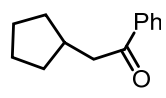 (B)
(B) 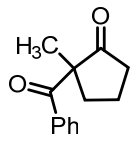 (C)
(C)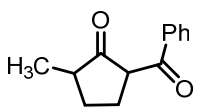 (D)
(D)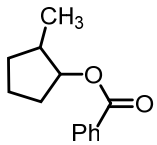 (E)
(E)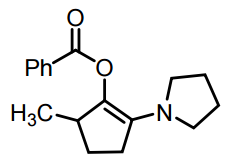
 (A) I (B) II (C) III (D) IV (E) V
 (A) POCl3, pyridine (B) KMnO4, H3O+
(C) CH3CH2OH, H+ (D) Na+ -OEt, then CH3MgBr (E) H3O+
, heat
(A) POCl3, pyridine (B) KMnO4, H3O+
(C) CH3CH2OH, H+ (D) Na+ -OEt, then CH3MgBr (E) H3O+
, heat
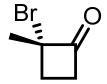 (A) (R)-2-bromo-2-methylcyclobutanone (B) (S)-2-bromo-2-methylcyclobutanone
(C) (R)-2-methyl-2-bromocyclobutanone (D) (S)-1-bromo-1-methyl-2-cyclobutanone
(E) (R)-1-bromo-1-methyl-2-cyclobutanone
(A) (R)-2-bromo-2-methylcyclobutanone (B) (S)-2-bromo-2-methylcyclobutanone
(C) (R)-2-methyl-2-bromocyclobutanone (D) (S)-1-bromo-1-methyl-2-cyclobutanone
(E) (R)-1-bromo-1-methyl-2-cyclobutanone
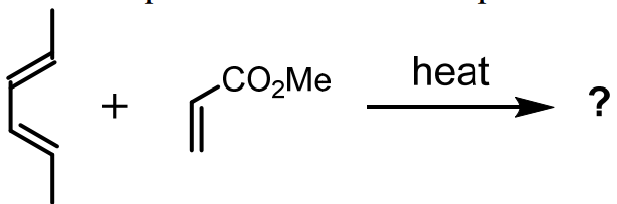 (A)
(A)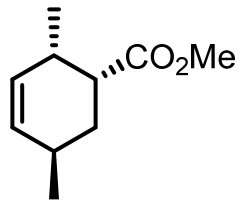 (B)
(B)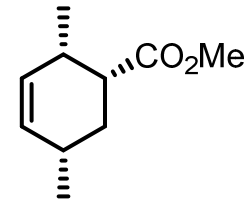 (C)
(C)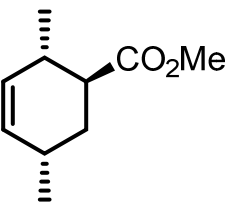 (D)
(D)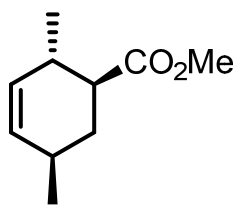 (E)
(E)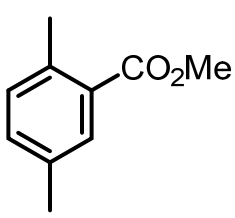

 (A) I (B) II (C) III (D) IV (E) V
 (A)
(A)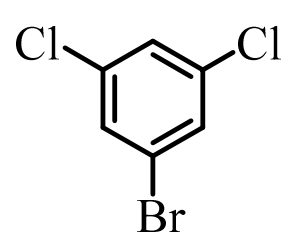 (B)
(B) 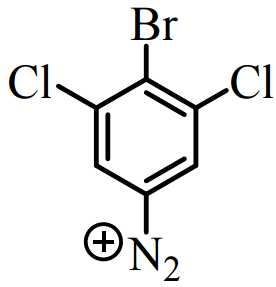 (C)
(C)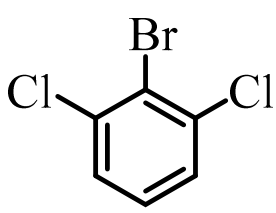 (D)
(D)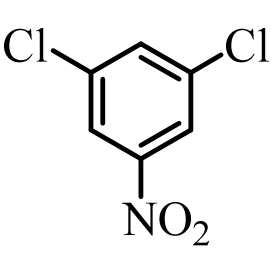 (E)
(E)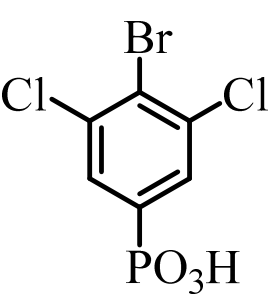
 (A) I (B) I and III (C) I, III and V (D) I, III and IV (E) II and V
 (A) I can be converted to III using methanol and catalytic amounts of H2SO4.
(B) I can be converted to II using acetic acid and catalytic amounts of H2SO4.
(C) II can be produced from I by reaction with acetic anhydride.
(D) II and I both will react with sodium bicarbonate to evolve carbon dioxide.
(E) II and III are both esters.
(A) I can be converted to III using methanol and catalytic amounts of H2SO4.
(B) I can be converted to II using acetic acid and catalytic amounts of H2SO4.
(C) II can be produced from I by reaction with acetic anhydride.
(D) II and I both will react with sodium bicarbonate to evolve carbon dioxide.
(E) II and III are both esters.
 (A) (CH3)2CHBr (B) (CH3)2CHCH2Br (C) (CH3)2CHCH2CH2Br
(D) CH3CH2CHBrCH3 (E) (CH3)2CBrCH3
(A) (CH3)2CHBr (B) (CH3)2CHCH2Br (C) (CH3)2CHCH2CH2Br
(D) CH3CH2CHBrCH3 (E) (CH3)2CBrCH3
 (A)
(A)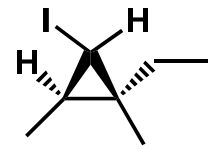 (B)
(B)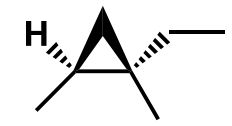 (C)
(C) 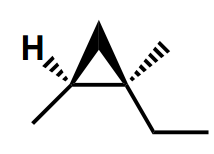 (D)
(D)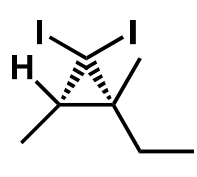 (E)
(E)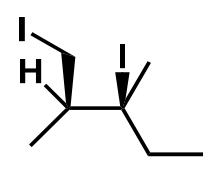
 (A) III<II<IV<I<V (B) II<III<IV<I<V (C) I<IV<III<II<V
 (A) 1-pentene (B) cyclohexanone (C) 2-pentanone
(D) pentanal (E) None of the above
(A) 1-pentene (B) cyclohexanone (C) 2-pentanone
(D) pentanal (E) None of the above
 (A)
(A)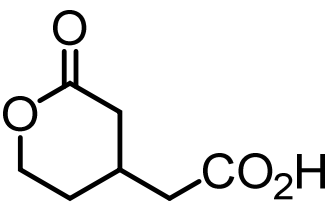 (B)
(B)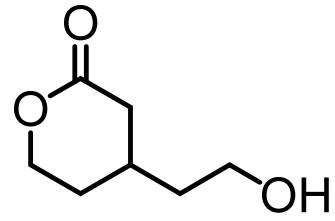 (C)
(C)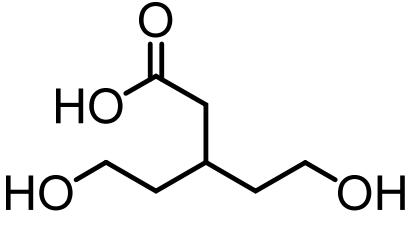 (D)
(D)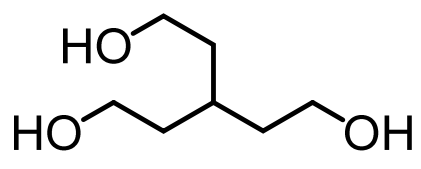 (E)
(E)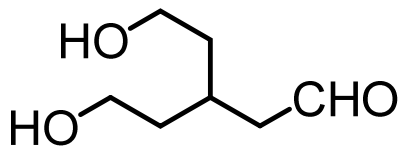
 (A)
(A)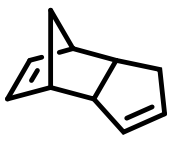 (B)
(B)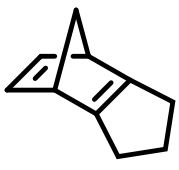 (C)
(C)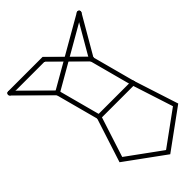 (D)
(D)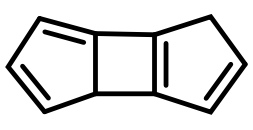 (E)
(E)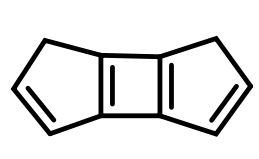
 (A) (i) HBr, (ii) O3 followed by Zn/H+
, (iii) Li/NH3
(B) (i) NaNH2/NH3 followed by CH3CH2I, (ii) Lindlar’s catalyst/H2, (iii) OsO4 followed by NaHSO3
(C) (i) H2/Pd/C (1 equivalent), (ii) NaNH2/NH3 followed by CH3CH2Br, (iii) KMnO4/H2O
(D) (i) HgSO4/H2O/H2SO4, (ii) Lindlar’s catalyst/H2, (iii) OsO4 followed by NaHSO3
(E) (i) Lindlar’s catalyst/ H2, (ii) NaNH2/NH3 followed by CH3CH2Br, (iii) OsO4 followed by NaHSO3
(A) (i) HBr, (ii) O3 followed by Zn/H+
, (iii) Li/NH3
(B) (i) NaNH2/NH3 followed by CH3CH2I, (ii) Lindlar’s catalyst/H2, (iii) OsO4 followed by NaHSO3
(C) (i) H2/Pd/C (1 equivalent), (ii) NaNH2/NH3 followed by CH3CH2Br, (iii) KMnO4/H2O
(D) (i) HgSO4/H2O/H2SO4, (ii) Lindlar’s catalyst/H2, (iii) OsO4 followed by NaHSO3
(E) (i) Lindlar’s catalyst/ H2, (ii) NaNH2/NH3 followed by CH3CH2Br, (iii) OsO4 followed by NaHSO3
 (A) I (B) II (C) III (D) IV (E) V
 (A) I (B) II (C) III (D) IV (E) V
 (A) I (B) II (C) III (D) IV (E) V
 CH3
Ha Hb CH3
(A) homotopic (B) enantiotopic (C) diastereotopic
(D) mesotopic (E) None of the above
CH3
Ha Hb CH3
(A) homotopic (B) enantiotopic (C) diastereotopic
(D) mesotopic (E) None of the above
 (A) only I (B) only II (C) only III (D) I and II (E) II and III
 (A) I (B) II (C) III (D) IV (E) V

 (A) I (B) II (C) III (D) IV (E) V
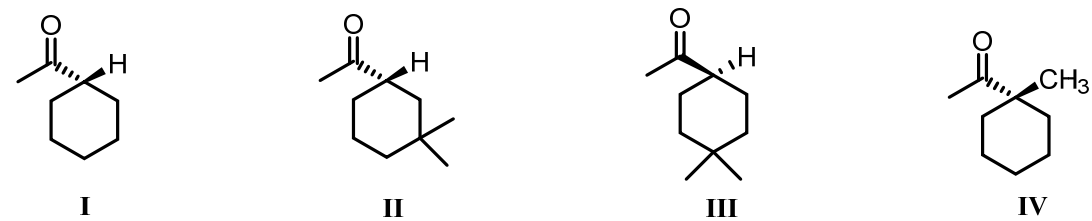 (A) I (B) II (C) III (D) IV (E) II & III
 (A) I (B) II (C) III (D) IV (E) V
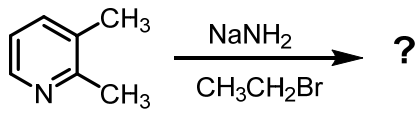 (A) 4-ethyl-2,3-dimethylpyridine (B) 5-ethyl-2,3-dimethylpyridine (C) 6-ethyl-2,3-dimethylpyridine
(D) 2-methyl-3-propylpyridine (E) 3-methyl-2-propylpyridine
(A) 4-ethyl-2,3-dimethylpyridine (B) 5-ethyl-2,3-dimethylpyridine (C) 6-ethyl-2,3-dimethylpyridine
(D) 2-methyl-3-propylpyridine (E) 3-methyl-2-propylpyridine
 (A) I (B) II (C) III (D) IV (E) V
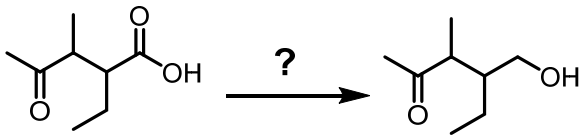 (A) NaBH4 (B) LiAlH4 (C) BH3 -THF
(D) LiAl[(OC(CH3) 3] 3H (E) None of the above
(A) NaBH4 (B) LiAlH4 (C) BH3 -THF
(D) LiAl[(OC(CH3) 3] 3H (E) None of the above
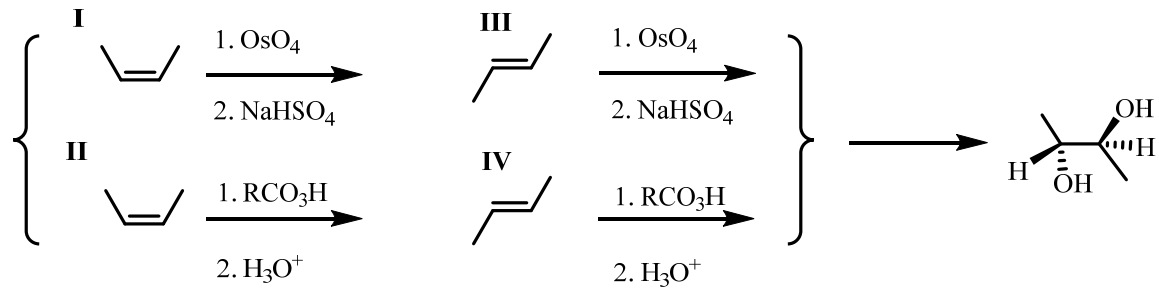 (A) I (B) III (C) IV (D) I and IV (E) II and III
 (A) I (B) II (C) III (D) IV (E) None of the above
 (A) I> II> III> IV (B) I> III> IV> II (C) II> IV> III> I
(D) II> I> III> IV (E) III> IV> I> II
(A) I> II> III> IV (B) I> III> IV> II (C) II> IV> III> I
(D) II> I> III> IV (E) III> IV> I> II
 (A)
(A)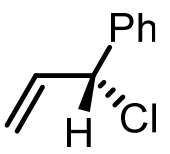 (B)
(B)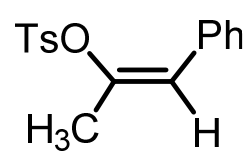 (C)
(C)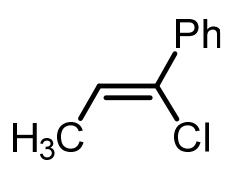 (D)
(D)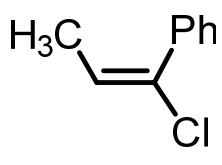 (E)
(E)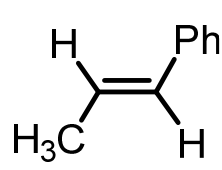
 (A) 2,4-heptanediol (B) 1,4-heptanediol (C) 2,5-octanediol
(D) 1,4-octanediol (E) 1,5-octanediol
(A) 2,4-heptanediol (B) 1,4-heptanediol (C) 2,5-octanediol
(D) 1,4-octanediol (E) 1,5-octanediol
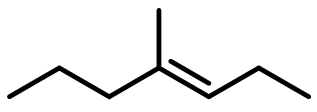 (A) ethanal and 2-bromopentane (B) propanal and 2-bromopentane (C) 2-pentanone and 1-bromopropane
(D) 2-pentanone and 2-bromopropane (E) butanal and 2-bromopentane
(A) ethanal and 2-bromopentane (B) propanal and 2-bromopentane (C) 2-pentanone and 1-bromopropane
(D) 2-pentanone and 2-bromopropane (E) butanal and 2-bromopentane

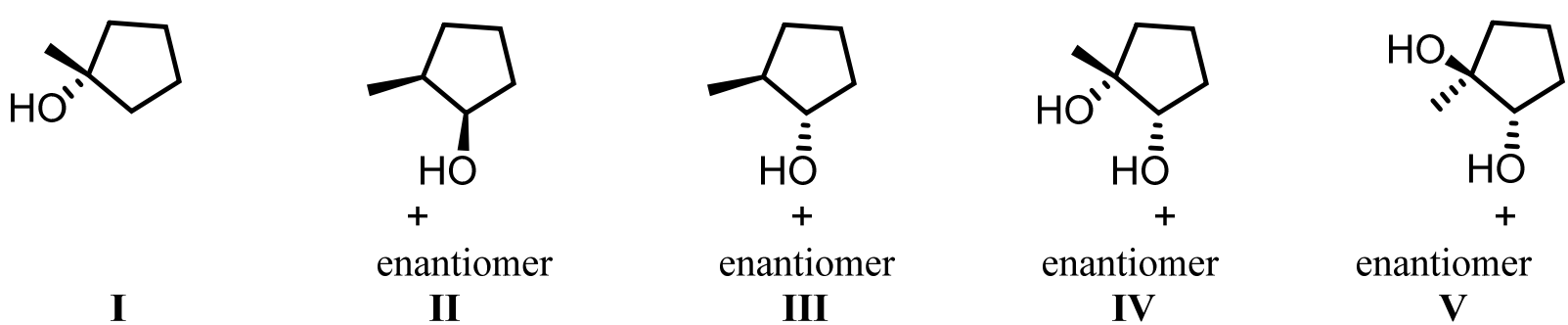 (A) I (B) II (C) III (D) IV (E) V
 (A)
(A)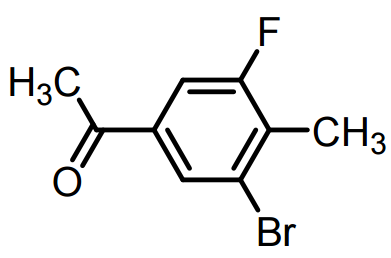 (B)
(B)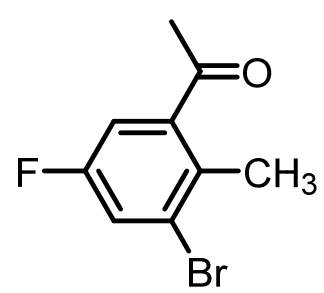 (C)
(C) 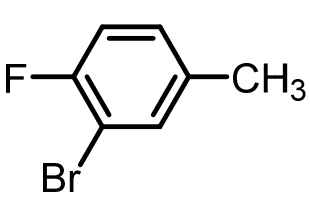 (D)
(D)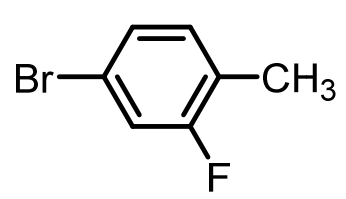 (E)
(E) 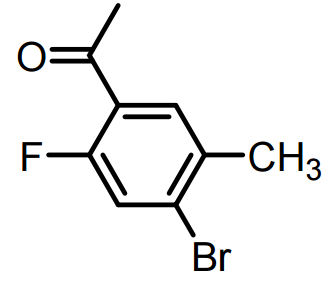
 (A)
(A) 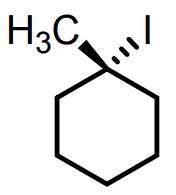 (B)
(B)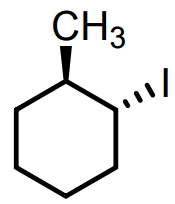 (C)
(C) 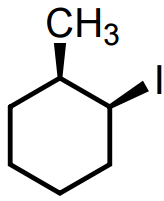 (D)
(D)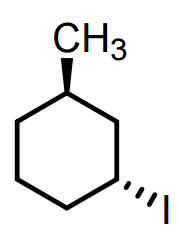 (E)
(E) 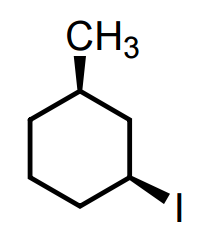
 (A) I (B) II (C) III (D) IV (E) V
 (A)
(A)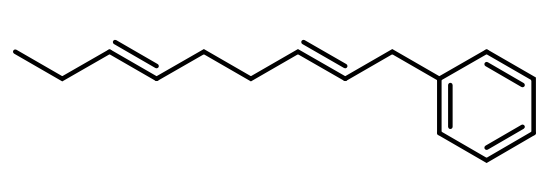 (B)
(B)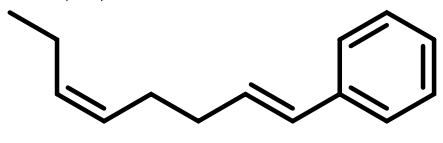 (C)
(C)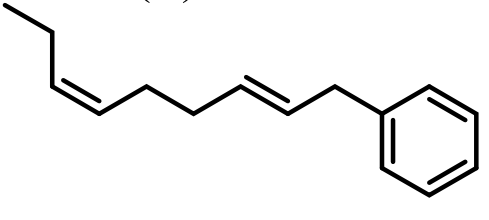 (D)
(D)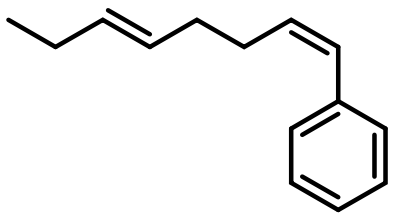 (E)
(E)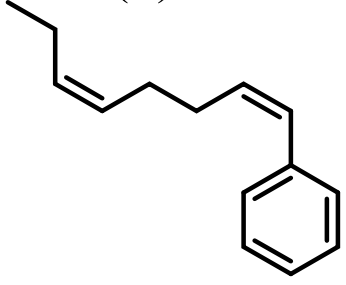
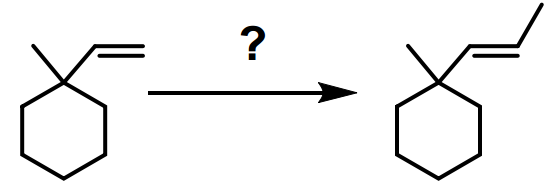 (A) 1. NaOCH3, CH3OH 2. NaNH2 3. Br2 4. H2 (excess), Pd/C
(B) 1. Br2 2. NaNH2 3. NaNH2, then CH3Br 4. Na, NH3
(C) 1. BH3*THF 2. Br2 3. NaCN 4. Na, NH3
(D) 1. NaCN 2. HO-
, H2O2 3. NaNH2, then CH3Br 4. Na, NH3
(E) 1. BH3*THF 2. Br2 3. NaNH2, then CH3Br 4. H2 (excess), Pd/C
(A) 1. NaOCH3, CH3OH 2. NaNH2 3. Br2 4. H2 (excess), Pd/C
(B) 1. Br2 2. NaNH2 3. NaNH2, then CH3Br 4. Na, NH3
(C) 1. BH3*THF 2. Br2 3. NaCN 4. Na, NH3
(D) 1. NaCN 2. HO-
, H2O2 3. NaNH2, then CH3Br 4. Na, NH3
(E) 1. BH3*THF 2. Br2 3. NaNH2, then CH3Br 4. H2 (excess), Pd/C
 (A) disrotatory and cis-product
(B) conrotatory and cis-product
(C) disrotatory and trans-product
(D) conrotatory and trans-product
(E) both disrotatory and conrotatory to give trans and cis product respectively
(A) disrotatory and cis-product
(B) conrotatory and cis-product
(C) disrotatory and trans-product
(D) conrotatory and trans-product
(E) both disrotatory and conrotatory to give trans and cis product respectively
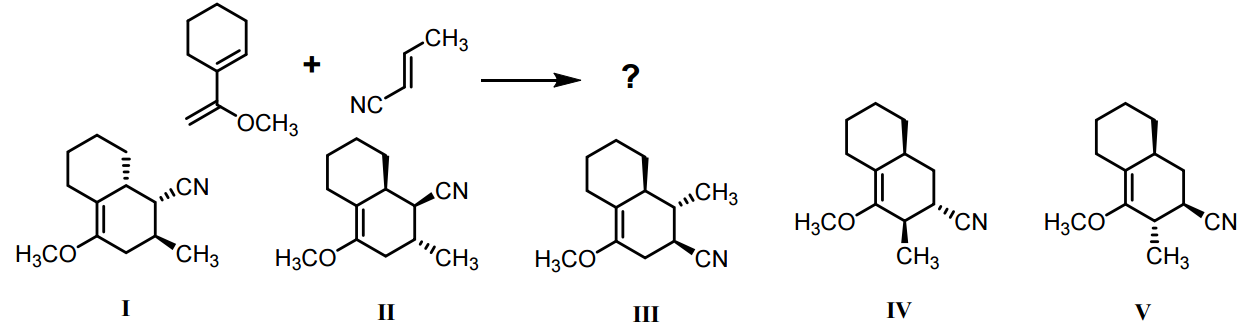 (A) I (B) II (C) III (D) IV (E) V
 (A)
(A) 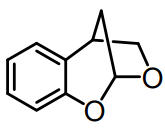 (B)
(B)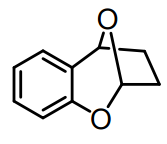 (C)
(C)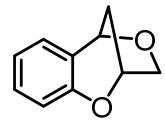 (D)
(D) 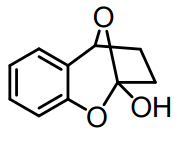 (E)
(E)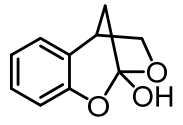
 (A)
(A)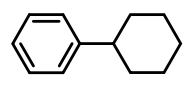 (B)
(B) 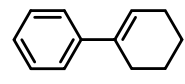 (C)
(C)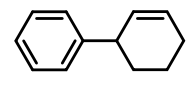 (D)
(D) 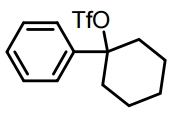 (E)
(E) 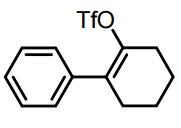
 (A) I (B) II (C) III (D) IV (E) II & IV
 (A) I (B) II (C) III (D) IV (E) V
 (A)
(A)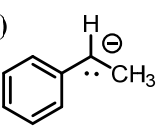 (B)
(B)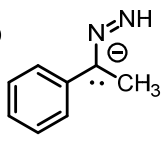 (C)
(C)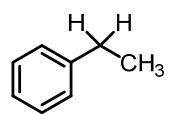 (D)
(D)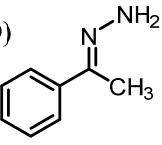 (E)
(E)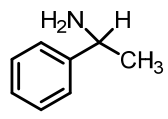
 (A)
(A)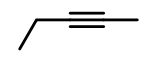 (B)
(B)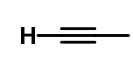 (C)
(C)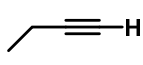 (D)
(D)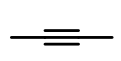 (E)
(E)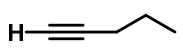
 (A) (X)-toluene; (Y)-phenylacetic acid; (Z)-phenol (B) (X)-toluene; (Y)-phenol; (Z)-phenylacetic acid
(C) (X)-phenylacetic acid; (Y)-toluene; (Z)-phenol (D) (X)-phenol; (Y)-toluene; (Z)-phenylacetic acid
(E) (X)-phenylacetic acid; (Y)-phenol; (Z)-toluene
(A) (X)-toluene; (Y)-phenylacetic acid; (Z)-phenol (B) (X)-toluene; (Y)-phenol; (Z)-phenylacetic acid
(C) (X)-phenylacetic acid; (Y)-toluene; (Z)-phenol (D) (X)-phenol; (Y)-toluene; (Z)-phenylacetic acid
(E) (X)-phenylacetic acid; (Y)-phenol; (Z)-toluene
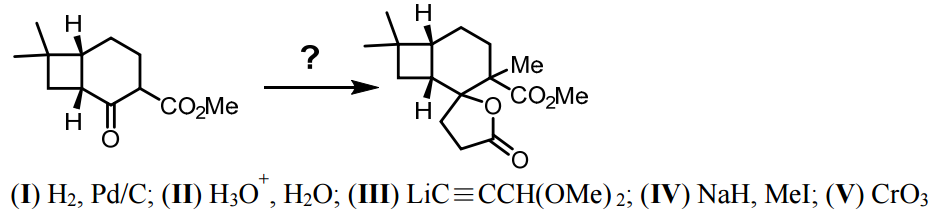 (A) IV → II → I → III → V (B) V → IV → III → II →I (C) IV → III → I → II → V
(D) III → II → VI → V → I (E) None of the above
(A) IV → II → I → III → V (B) V → IV → III → II →I (C) IV → III → I → II → V
(D) III → II → VI → V → I (E) None of the above
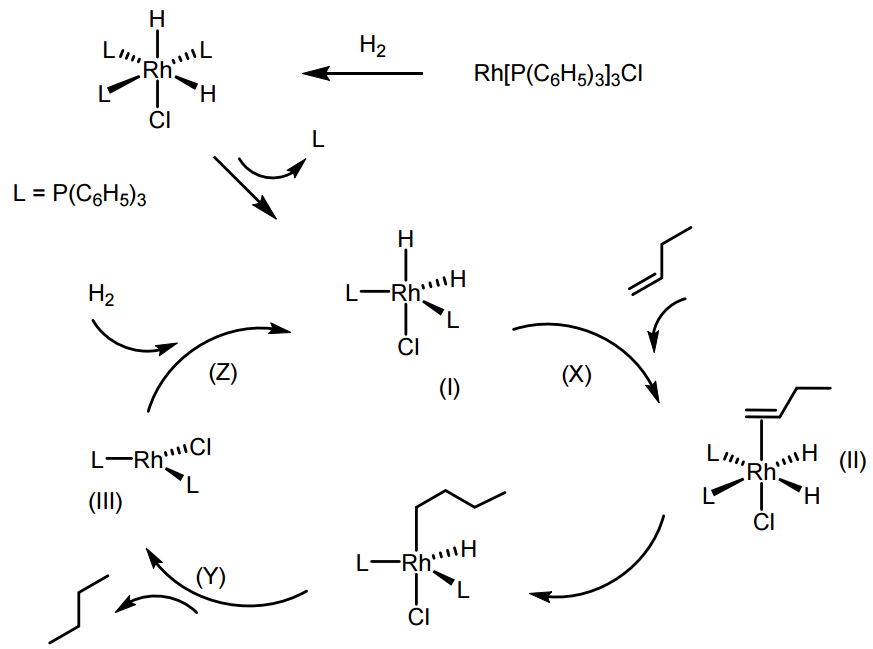 (A) (X)-oxidative addition, (Y)-reductive elimination, (Z)- ligand association
(B) (X)-ligand association, (Y)-reductive elimination, (Z)-oxidative addition
(C) (X)-reductive elimination, (Y)- oxidative addition, (Z)-ligand association
(D) (X)-reductive elimination, (Y)-ligand association, (Z)-oxidative addition
(E) (X)- ligand association, (Y)- oxidative addition, (Z)-reductive elimination
(A) (X)-oxidative addition, (Y)-reductive elimination, (Z)- ligand association
(B) (X)-ligand association, (Y)-reductive elimination, (Z)-oxidative addition
(C) (X)-reductive elimination, (Y)- oxidative addition, (Z)-ligand association
(D) (X)-reductive elimination, (Y)-ligand association, (Z)-oxidative addition
(E) (X)- ligand association, (Y)- oxidative addition, (Z)-reductive elimination